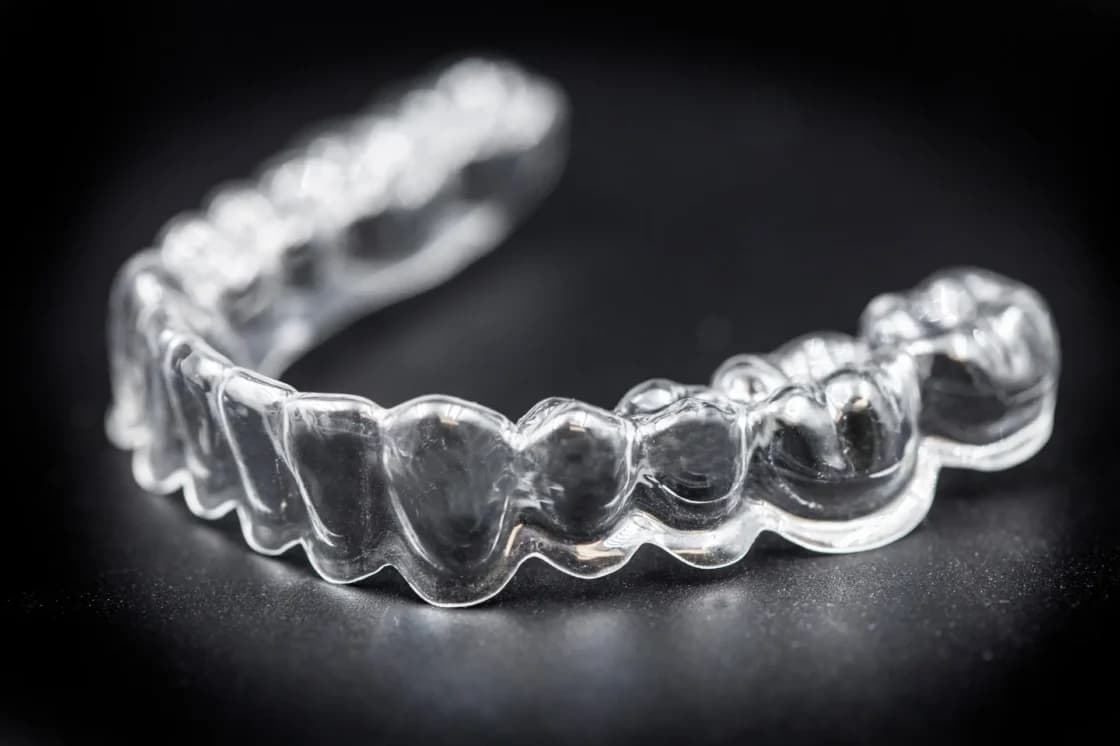
Are Clear Aligners Worth It? Cost Breakdown, Timeline & Long-Term Value Guide
A comprehensive guide evaluating the financial, clinical, and lifestyle factors of clear aligners—including cost variables, realistic timelines, and hidden oral health benefits.
Key Takeaways for Prospective Patients & Clinicians:
- Doctor-Led Planning vs Direct-to-Consumer: In-office, doctor-monitored 3D setups (like OnyxCeph 3D) protect against root damage and tracking failure, delivering far higher long-term ROI than unsupervised mail-order kits.
- Realistic Timelines: Treatment varies from 3–6 months for mild cosmetic cases (8–16 trays) to 12–24 months for severe malocclusions (30+ trays with elastics).
- Hidden Health ROI: Beyond aesthetics, aligners reduce plaque accumulation, correct uneven bite wear, and protect natural enamel against long-term TMJ strain.
- Compliance Rule: Aligners are 100% worth the investment *if* you commit to strict 20–22 hour daily wear discipline.
Choosing to straighten your teeth is a significant decision—both aesthetically and financially. As clear aligners continue to dominate modern orthodontics, prospective patients consistently ask one fundamental question: Are clear aligners really worth the investment?
While the discreet appearance of clear plastic trays is a huge draw, evaluating their true value requires looking at cost variables, clinical timelines, daily lifestyle factors, and long-term oral health benefits. This definitive guide breaks down the financial and clinical realities of clear aligner treatment.
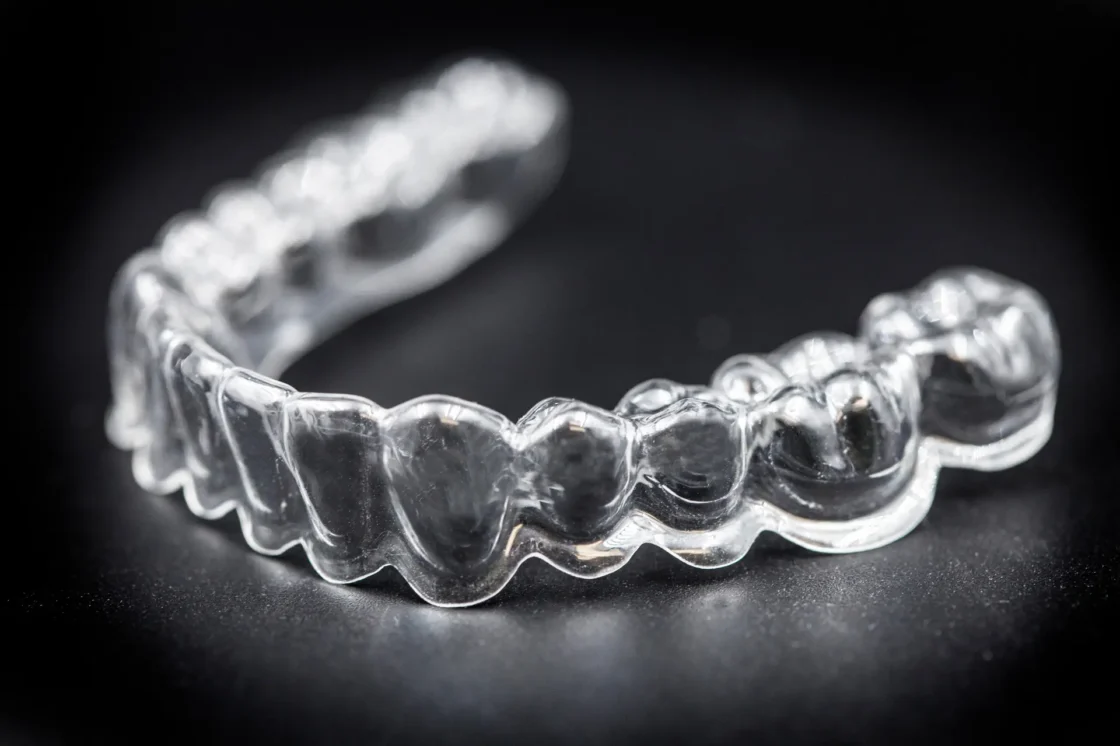
1. What Affects the Total Cost of Clear Aligners?
Clear aligner costs vary significantly depending on case complexity, clinical oversight, and manufacturing technology. Unlike one-size-fits-all products, treatment plans are tailored to individual anatomy.
### 1. Case Complexity & Duration
Mild spacing or minor crowding requires fewer aligner stages (often 10–18 trays over 4 to 6 months), keeping costs lower. Severe malocclusions, bite realignments, or rotated premolars require extended staging protocols (30+ trays over 12 to 24 months), which increases material and clinical chair time.
### 2. Clinical Oversight & 3D Setup Precision
In-office, doctor-monitored aligners include comprehensive intraoral scanning, CBCT root checks, and custom CAD setups (such as OnyxCeph 3D planning). Direct-to-consumer mail-order kits may cost less upfront, but they lack doctor supervision, increasing the risk of root damage or failed tracking.
### 3. Comprehensive Inclusions
Quality packages include auxiliary attachments, interproximal enamel reduction (IPR), mid-course refinement trays, and post-treatment retainers to lock in your final smile.
2. Realistic Treatment Timelines: What to Expect
A common misconception is that clear aligners are always faster than traditional metal braces. In reality, timeline efficiency depends on biomechanics and wear compliance.
| Case Severity Level | Average Treatment Duration | Typical Aligner Tray Count |
|---|---|---|
| Mild (Relapse / Cosmetic) | 3 to 6 Months | 8 to 16 Tray Sets |
| Moderate (Crowding / Spacing) | 6 to 12 Months | 18 to 30 Tray Sets |
| Severe (Bite Realignment / Complex) | 12 to 24 Months | 30+ Tray Sets + Auxiliary Elastics |
3. Clear Aligners vs. Traditional Braces: Value Comparison
| Evaluation Factor | In-Office Clear Aligners | Traditional Metal Braces |
|---|---|---|
| Aesthetics | Near-invisible; highly discreet in social and professional settings. | Highly visible metal brackets and archwires across teeth. |
| Diet & Lifestyle | Removable during meals; zero dietary restrictions. | Fixed appliance; hard, sticky, or chewy foods are restricted. |
| Oral Hygiene | Remove aligners to brush and floss normally without obstruction. | Requires floss threaders and special brushes to clean around wires. |
| Comfort | Smooth, digitally trimmed plastic margins; minimal tissue irritation. | Brackets and wire ends can cause cheek or lip sores requiring wax. |
| Compliance Dependency | Requires strict 20–22 hours/day wear discipline for success. | Non-removable; works 24/7 regardless of patient compliance. |
4. The Hidden Benefits: Beyond Just a Straight Smile
When asking if aligners are "worth it," consider that straight teeth offer health benefits that far exceed cosmetic improvements:
- Reduced Plaque Accumulation: Overlapped and crowded teeth create tight spaces that are difficult to clean, leading to plaque buildup, tartar, and gingivitis. Straightening teeth makes brushing and flossing significantly more effective.
- Even Wear Distribution: Misaligned teeth result in uneven bite distribution, which can lead to enamel chipping, premature wear, and jaw strain (TMJ discomfort). Aligning your bite protects your natural enamel over time.
- Improved Gum Health: When teeth are properly aligned in the arch, gum tissue fits more securely around each tooth, reducing the risk of periodontal pocketing.
5. The Final Verdict: How to Maximize Your Return on Investment
Clear aligners are undoubtedly worth the investment if you value discretion, dietary flexibility, and easier oral hygiene—and if you are committed to wearing them for 22 hours per day. By choosing doctor-led treatment powered by precision CAD planning, you ensure your investment delivers a lifetime of health and confidence.
Ready to Transform Your Smile?
Explore custom clear aligner setups, digital smile design, and expert orthodontic solutions at [velourcareortho.com](https://www.velourcareortho.com).
Ready to Start Your Digital Orthodontic Case?
Whether you are a dental practitioner seeking 3D OnyxCeph treatment setups or a patient exploring clear aligner options, our clinical orthodontic team is ready to assist.